KnowHow Shelf
Home / Cooking & Kitchen
How to Roast Vegetables Until Crispy PDF guide cover

$4.00 · 8-page PDF · instant download

Secure checkout by Stripe. Instant download after payment. All sales are final once the guide is downloaded.

Cooking & Kitchen

How to Roast Vegetables Until Crispy

Golden edges and tender centres, not soggy trays

What's inside the full guide

  1. Why Roasted Vegetables Go Soggy
  2. Prepare the Vegetables Properly
  3. Oil and Seasoning
  4. The Right Oven, Tray and Setup
  5. Timing Guide for Common Vegetables
  6. Flavour Combinations to Try
  7. Serving, Storing and Reheating
  8. My Roasting Notes (printable worksheet)

Free preview

This guide is for anyone whose roasted vegetables come out pale, limp or steamed instead of golden and crisp. You will learn why vegetables go soggy, how to cut, oil and season them, the right oven temperature and tray setup, timings for common vegetables, and flavour combinations to try. All you need is an oven, a large baking tray and a little oil.

Why Roasted Vegetables Go Soggy

Crispy, browned vegetables are the result of two things happening on their surface: water evaporating, and sugars and proteins browning in the dry heat. Browning only starts once the surface has dried out. If moisture cannot escape quickly, the vegetables sit in their own steam and turn soft and pale instead.

Almost every soggy tray comes down to one or more of these problems: the tray is too crowded, the oven is not hot enough, the vegetables were wet when they went in, the pieces are too small or uneven, or there is too little oil to conduct heat to the surface. Fix those, and the results improve dramatically.

ProblemCauseFix
Pale and softOven too cool or tray crowdedHotter oven; spread out or use two trays
Burnt outside, raw insidePieces too big or oven too hotCut smaller; lower heat slightly
Some burnt, some rawUneven sizes or mixed vegetablesCut evenly; add quick-cooking veg later
Stuck to the trayToo little oil or moved too soonToss well in oil; line with baking paper
GreasyToo much oilUse just enough to coat lightly
WateryVegetables wet or salted too earlyDry well; salt just before roasting

Prepare the Vegetables Properly

Good roasting starts on the chopping board. The way you cut and dry your vegetables matters as much as the oven setting.

  1. Wash and dry thoroughly Rinse vegetables, then dry them completely with a clean tea towel or kitchen paper. Even a little surface water slows browning. A salad spinner is useful for broccoli and Brussels sprouts.
  2. Cut into even pieces Aim for pieces of roughly the same size so they cook at the same rate. For most root vegetables, chunks of about 2.5 to 3 cm work well.
  3. Maximise flat surfaces Flat cut faces touching the hot tray brown best. Halve Brussels sprouts, cut carrots on the diagonal or lengthways, and slice cauliflower into thick steaks or florets with a flat side.
  4. Leave skins on where you can Potato, carrot, squash and parsnip skins crisp up well and save time. Scrub them clean first.
  5. Parboil dense roots if you like For extra-crispy potatoes, boil chunks in salted water for about 8 to 10 minutes, drain, leave to steam dry for a few minutes and shake in the pan to rough up the edges before roasting.
Group by cooking time: If you are roasting a mix, group vegetables with similar cooking times on the same tray, or add faster-cooking vegetables part-way through. Dense potatoes and soft courgettes do not finish together.

Get the rest: the full step-by-step guide plus a printable worksheet for $4.
More Cooking & Kitchen guides

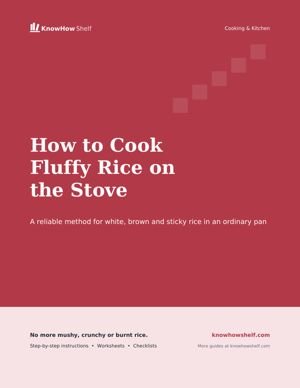
How to Cook Fluffy Rice on the Stove Every Time

$4

How to Meal Prep a Week of Food on a Tight Budget

$4

How to Hold and Use a Chef's Knife Like a Pro

$4

How to Store Leftovers Safely and Know How Long They Keep

$4

How to Bake Your First Loaf of Bread by Hand

$4

How to Cook Chicken Breast So It Stays Juicy

$4

How to Plan a Week of Meals Without Wasting Food

$4

How to Cook a Steak Perfectly in a Pan

$4

How to Dice an Onion Quickly and Evenly

$4

How to Thaw Frozen Food Safely

$4

How to Cook Pasta Properly So It Never Sticks

$4

How to Sharpen a Kitchen Knife at Home

$4

How to Organise a Small Kitchen for Maximum Space

$4

How to Feed a Family on a Small Grocery Budget

$4

How to Cook Salmon Fillets Without Overcooking

$4

How to Freeze Food So It Tastes Good Later

$4

How to Make a Sourdough Starter From Scratch

$4

How to Boil Eggs With Easy-Peel Shells

$4

How to Season Food Properly With Salt

$4